
A lot of people think a plant based diet means saying goodbye to protein forever. No meat? No eggs? No problem. The truth is, you can absolutely follow a plant based diet with protein and still feel strong, energized, and full.
Think of your diet like building a house. Protein is the bricks. You just don’t need animal bricks to build a solid home. Plants have plenty to offer—if you know where to look.
Let’s break it all down in simple, real-life terms.
What Is a Plant Based Diet?
A plant based diet focuses on foods that come from plants. That includes fruits, vegetables, grains, pulses, nuts, seeds, and legumes. Some people eat it strictly, while others keep it flexible.
Plant Based Diet vs Vegan Diet
A vegan diet removes all animal products completely. A plant based diet, on the other hand, focuses mostly on plants but can be adapted based on personal goals. The main star is plants—not labels.
Why People Choose a Plant Based Diet
People switch to a plant based diet for many reasons:
• Better health
• Weight management
• Heart health
• Ethical or environmental reasons
And yes—protein is still part of the picture.
Why Protein Matters in a Plant Based Diet
Protein isn’t just for bodybuilders. It’s for everyone.
Role of Protein in the Body
Protein helps:
• Build and repair muscles
• Support hormones and enzymes
• Keep you full and satisfied
• Maintain healthy skin and hair
Without enough protein, your body feels like a phone stuck on low battery mode.
Common Protein Myths About Plant Based Diets
One big myth: “Plant foods don’t have protein.”
Reality check: beans, lentils, soy foods, nuts, seeds, and grains all contain protein—sometimes a lot of it.
Can You Get Enough Protein on a Plant Based Diet?
Understanding Complete and Incomplete Proteins
Some plant foods don’t contain all essential amino acids on their own. But here’s the trick: your body doesn’t need them all in one bite. Eating a variety throughout the day does the job.
Essential Amino Acids Explained
Plant proteins are a good source of many essential amino acids, especially when you mix foods like grains with legumes. It’s teamwork on a plate.
Top Plant Based Diet Protein Sources
Now let’s talk about the real heroes.
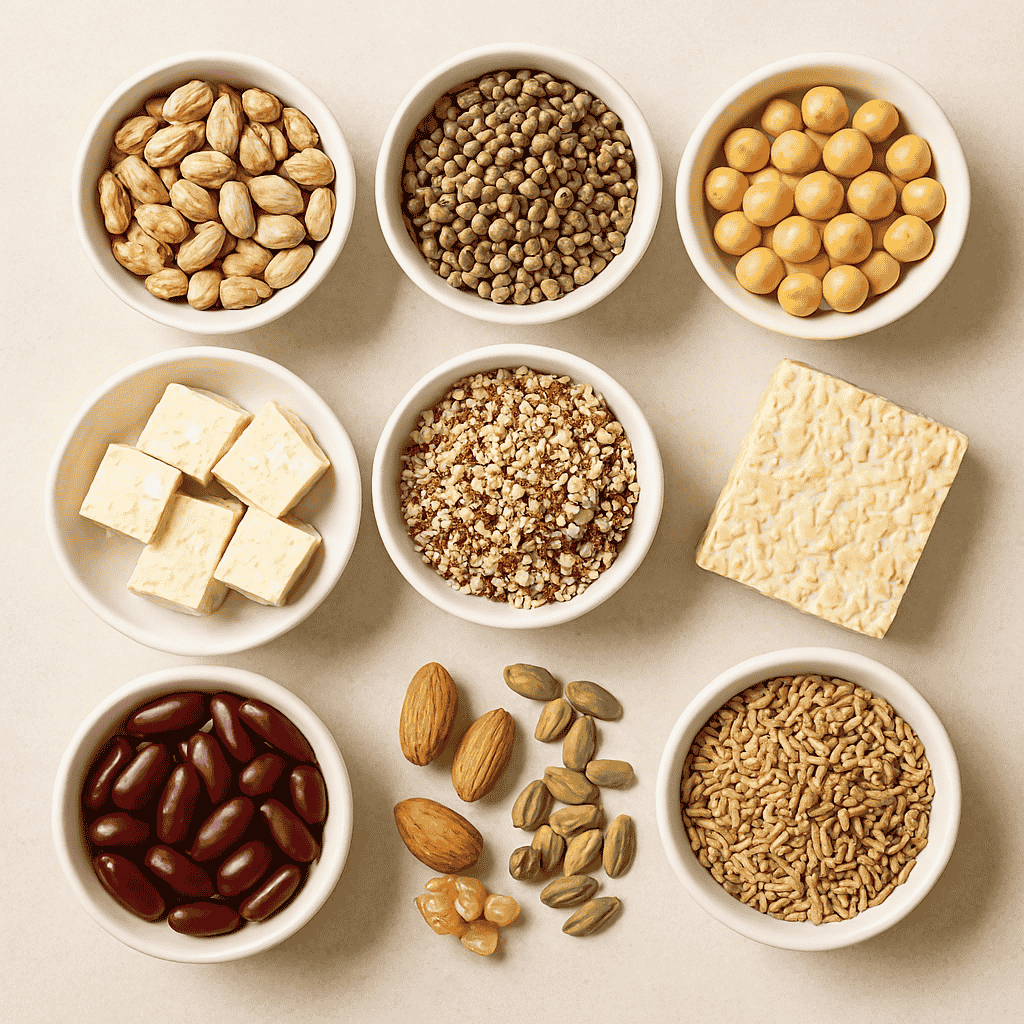
Legumes (Beans, Lentils, Chickpeas, Edamame)
Legumes are protein powerhouses.
Beans and lentils contain high amounts of protein, plus fiber that keeps digestion smooth.
Soybean Products (Tofu, Tempeh, Soy Milk)
Soy foods are complete proteins. That means they contain all essential amino acids.
• Tofu
• Tempeh
• Soy milk
Simple, affordable, and super versatile.
Seitan and Wheat-Based Proteins
Seitan is made from wheat gluten and is extremely high in protein. Texture-wise, it feels almost like meat—perfect for stir-fries and wraps.
Nuts and Seeds
Almonds
Great for snacks and smoothies.
Hemp Seeds
Small but mighty—high protein and healthy fats.
Chia Seeds
Perfect for puddings and oats.
Pumpkin Seeds
Crunchy, tasty, and protein-rich.
Whole Grains and Pulses
Grains like quinoa, oats, and spelt add steady protein to meals. Pulses like dry beans and chickpeas are daily staples in a high protein plant based diet.
High Protein Plant Foods You Should Eat Daily
Beans and Legumes
Beans and legumes should be on your plate almost every day. They’re cheap, filling, and nutritious.
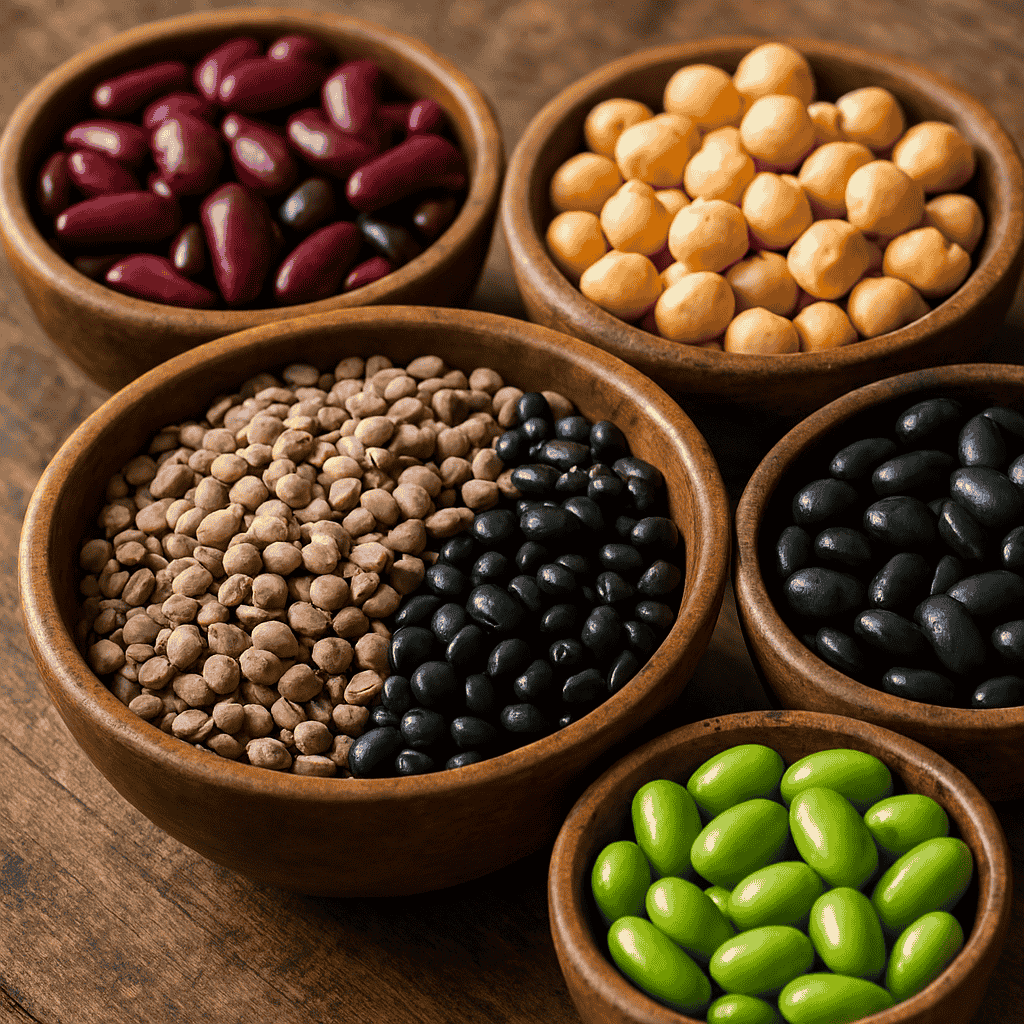
Grains and Pulses
Grains + pulses = a classic combo that delivers both energy and protein.
Soy Foods
Soy foods are especially helpful if you’re aiming for higher protein without supplements.
Edamame: A Protein Powerhouse
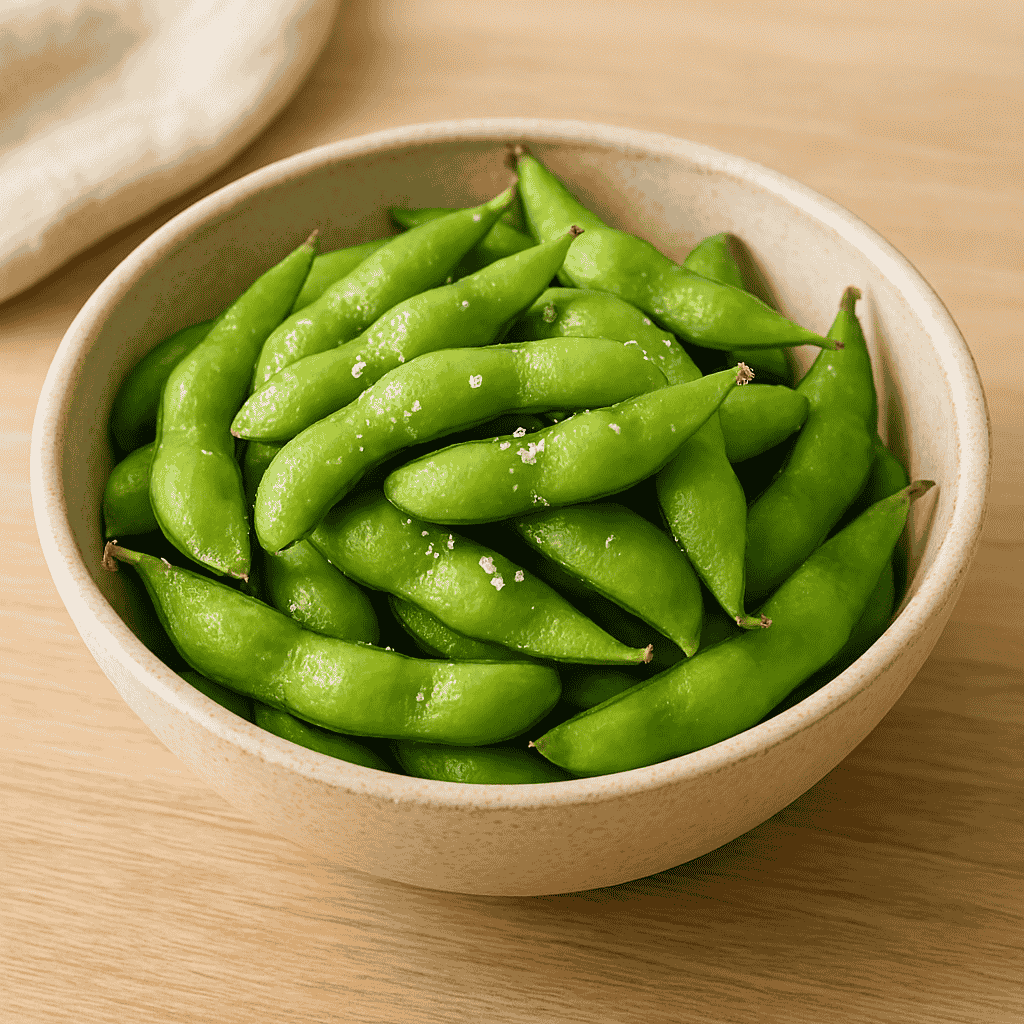
Nutritional Benefits of Edamame
Edamame is young soybeans, and it’s packed with protein, fiber, and essential amino acids. It’s one of the easiest ways to boost protein on a plant based diet.
Easy Ways to Eat Edamame
• Add to salads
• Toss into stir-fries
• Eat steamed with a pinch of salt
Simple and delicious.
Plant Proteins and Essential Amino Acids
Why Plant Proteins Are High Quality
When eaten in variety, plant proteins meet all your body’s needs. Nature already did the math—you just have to mix foods.
How to Combine Foods for Complete Protein
• Rice + lentils
• Bread + peanut butter
• Oats + nuts and seeds
Think of it like assembling a puzzle.
Sample High Protein Plant Based Meal Plan
Breakfast Ideas
• Oats with chia seeds, almonds, and soy milk
• Tofu scramble with vegetables
Lunch Ideas
• Chickpea and quinoa salad
• Lentil soup with whole grain bread
Dinner Ideas
• Stir-fried tofu with vegetables and rice
• Seitan wraps with beans and greens
Snacks
• Roasted chickpeas
• Edamame
• Nuts and seeds
Benefits of a High Protein Plant Based Diet
Muscle Health
Yes, you can build muscle on plants—many athletes already do.
Weight Management
Protein helps control hunger and supports fat loss without feeling deprived.
Heart Health
Plant based diets are naturally low in saturated fat and rich in fiber.
Common Mistakes to Avoid
Not Eating Enough Calories
Plants are lighter in calories, so eat enough food overall.
Relying Only on One Protein Source
Variety matters. Don’t eat just tofu every day—mix it up.
Who Should Follow a Plant Based Diet With Protein?
Athletes and Gym-Goers
Plant protein supports performance and recovery.
Weight Loss Seekers
High protein plant foods help burn fat while keeping muscle.
Busy Professionals
Easy meals like beans, lentils, and soy foods save time.
Tips to Increase Protein Intake on a Plant Based Diet
Smart Grocery Shopping
Always keep:
• Beans and lentils
• Soy foods
• Nuts and seeds
Simple Cooking Tips
Cook in batches. Add protein to every meal. Keep it simple.
Conclusion
A plant based diet with protein isn’t complicated, expensive, or boring. It’s about smart choices, variety, and consistency. With legumes, soybean products, seitan, nuts, seeds, grains, pulses, and foods like edamame, meeting your protein needs becomes easy—and enjoyable.
Plants don’t just support life. They fuel it.
FAQs
Can a plant based diet really provide enough protein?
Yes, when you include legumes, soy foods, grains, nuts, and seeds daily.
Are plant proteins complete?
Some are, like soy. Others become complete when combined across meals.
Is edamame good for daily protein intake?
Absolutely. Edamame is rich in protein and essential amino acids.
What is the best plant protein for beginners?
Beans, lentils, tofu, and chickpeas are easy and affordable.
. Do I need supplements on a plant based diet?
Not for protein if your diet is balanced and varied.


1 thought on “Plant Based Diet With Protein | Simple High Protein Guide”
Good Article